Thinking about buying your first home in Carlisle but not sure where to start? You are not alone. Carlisle blends a walkable historic borough with nearby townships that offer newer homes and more space, all within a common 20 to 30 minute commute to central Harrisburg depending on traffic. In this guide, you will learn how the local market works, what you can buy, and the exact steps to go from pre-approval to keys in hand. Let’s dive in.
Why Carlisle works for first-time buyers
Location and commute
Carlisle sits at the crossroads of I-81 and US-11/US-15, which keeps your drive flexible in any direction. Many residents reach central Harrisburg in about 20 to 30 minutes depending on route and time of day. That access also opens options for commuting to Chambersburg or other Cumberland County job centers. If you value a small-town feel with regional connectivity, Carlisle delivers.
Borough vs. township choices
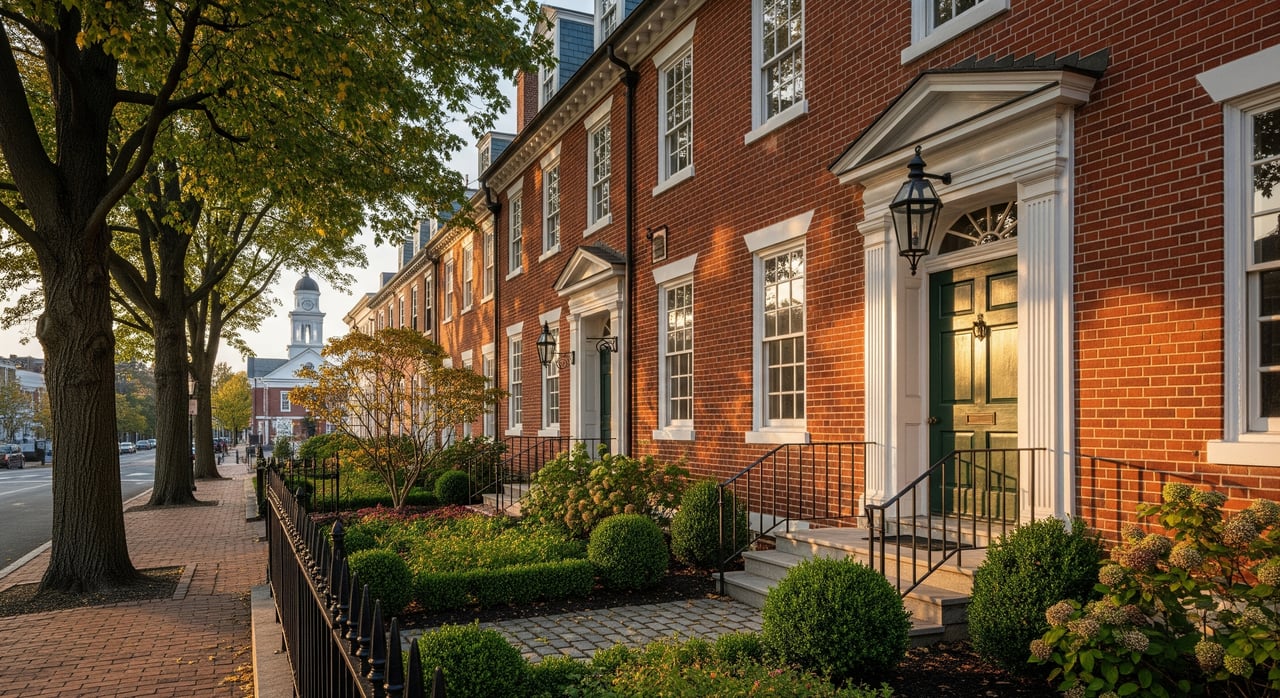
Inside Carlisle Borough you will find historic streets, smaller lots, and a walkable downtown influenced by Dickinson College. Surrounding townships like South Middleton and Middlesex offer larger lots, newer subdivisions, and more recent construction. Zoning, permitting, and property maintenance rules differ by municipality, so build those checks into your search. Your choice comes down to lifestyle preferences and the type of home and lot you want.
How to monitor the market
Home prices, inventory, and days on market change often. For the most current picture, review Bright MLS data for active listings and recent sales, and confirm trends with Cumberland County Assessment and Recorder records. If you want school boundaries or tax details, consult the Carlisle Area School District and municipal sites before you write an offer. When you are ready, set up listing alerts so you see new homes as soon as they hit the market.
What you can buy in Carlisle
Entry-level options
You will see historic rowhouses and smaller single-family homes in the borough, plus townhouses and some small condo communities. Many older homes have character and mature landscaping. Some have updates, while others may need mechanical or cosmetic work that you can plan for.
Move-up and new construction
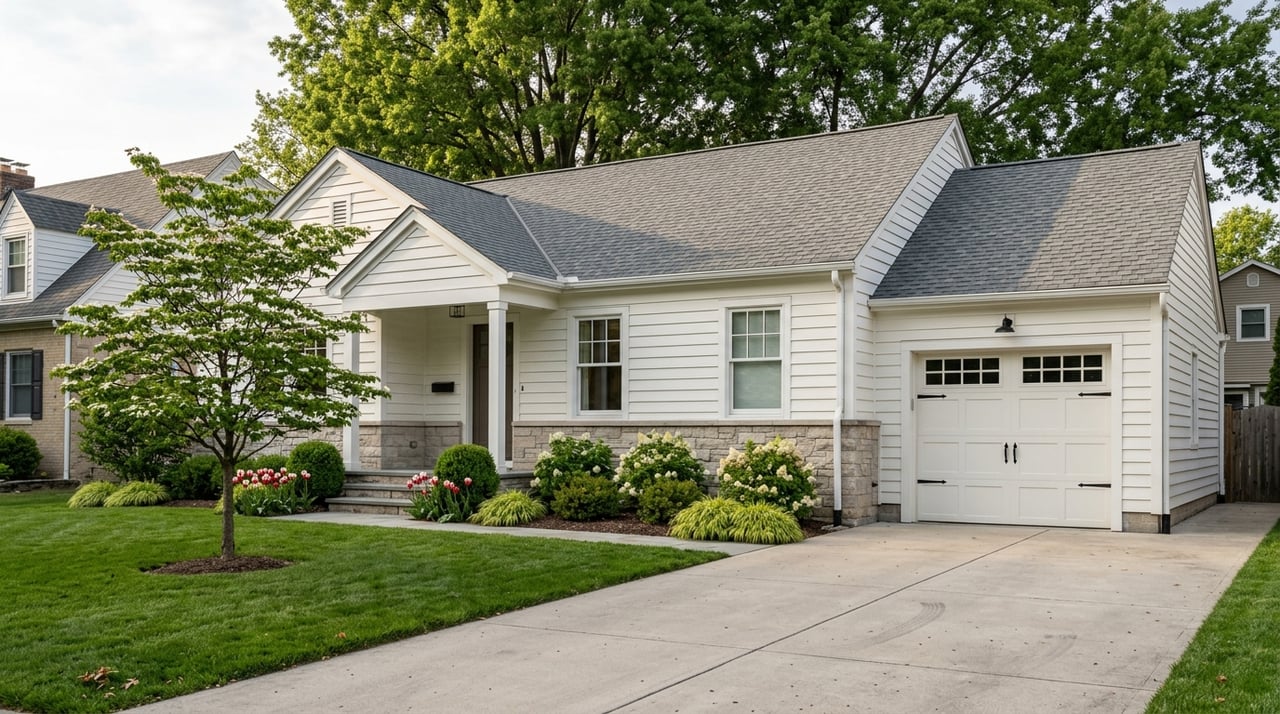
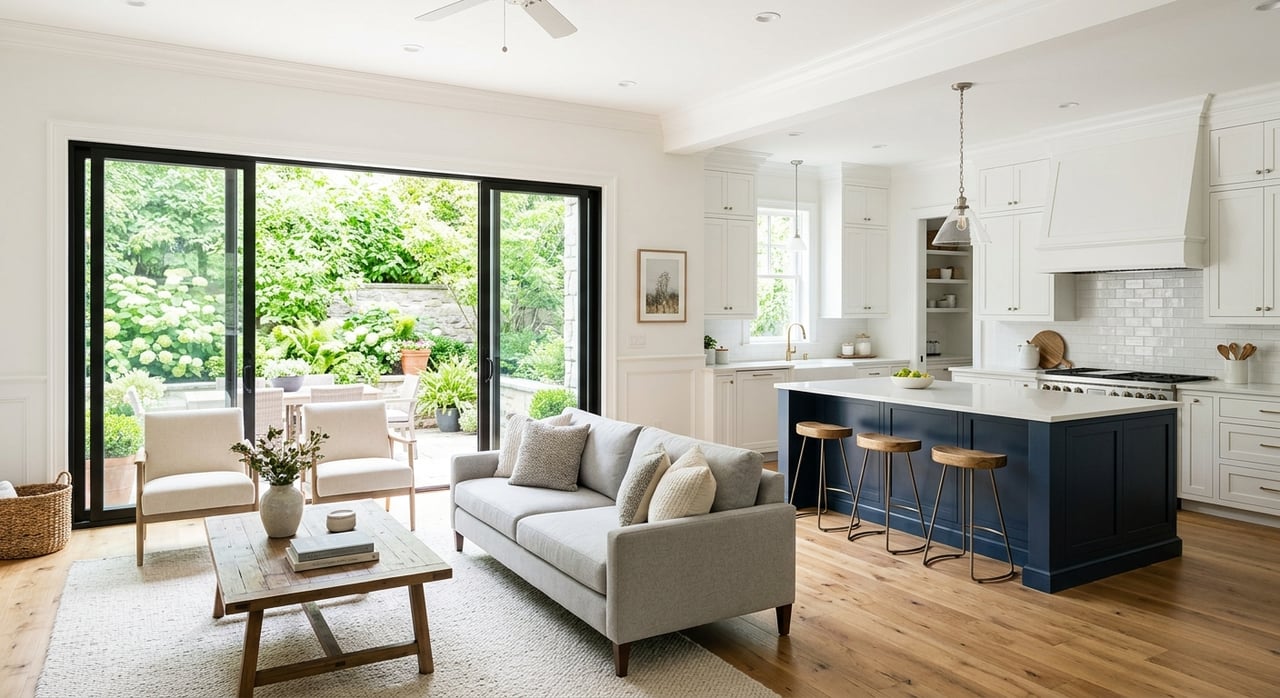
In nearby townships, you will find 3 to 4 bedroom detached homes in established neighborhoods and newer subdivisions. Newer homes often offer open layouts, attached garages, and larger lots. If you want space to grow, start your search in South Middleton Township and similar areas where subdivisions are common.
Investment-minded choices
Dickinson College and the downtown core support steady rental demand in certain zones. If you are weighing a house-hack or a small multi-unit, check local landlord registration and inspection rules in the borough. Always confirm zoning and any rental licensing requirements early in your due diligence.
Step-by-step: buying in Carlisle
1) Get pre-approved and set your budget
Start with a mortgage pre-approval from a lender familiar with Cumberland County. Include property taxes, homeowner’s insurance, utilities, HOA fees if applicable, and potential updates in your monthly budget. For older homes, plan for items like insulation, electrical panels, or window upgrades over time. A clear budget helps you move fast on new listings.
2) Tour homes and compare neighborhoods
Work with your buyer agent to schedule showings and attend open houses. Verify current school boundaries with the district, and note differences in municipal services like trash, snow removal, and recreation. If you are relocating, ask for virtual tours and neighborhood videos to get oriented quickly. Keep a short list of must-haves so you stay focused.
3) Craft a strong offer
A typical earnest money deposit in our region is often 1 to 3 percent of the price, though it is negotiated and can vary with competitiveness. Your offer will include price, deposit, financing terms, inspection contingencies, proposed closing date, and any seller credits or included items. In Pennsylvania, seller-paid commissions are common, but arrangements can vary, so your agent will structure the compensation terms to match local MLS rules. Ask your lender to confirm your timeline so your closing date aligns with underwriting and appraisal.
4) Inspections that matter locally
Always order a general home inspection. Add radon testing, since elevated radon is common in parts of Pennsylvania and mitigation is a routine fix. For older properties, a sewer scope can reveal issues with clay laterals before they become costly. If the home is on a private well or septic system, schedule water quality and septic inspections. For homes built before 1978, review the required federal lead paint disclosure and discuss testing or maintenance planning.
5) Appraisal, title, and loan approval
Your lender will order the appraisal to confirm value for financing. If the appraisal comes in low, you and the seller may renegotiate price, you may bring additional cash, or your agent may supply new comparable sales for reconsideration. A title company will run a title search and prepare title insurance. An owner’s title policy is optional but widely recommended for extra protection.
6) Timeline to closing
From a signed agreement to settlement, most financed purchases close in about 30 to 45 days depending on lender speed, inspection negotiations, and any municipal documents required. Cash purchases can close sooner, often within 7 to 21 days if title work is ready. Ask early about any borough or township transfer certifications that must be completed before closing.
7) Typical closing costs
Buyer costs usually include lender fees, appraisal, lender’s title insurance, recording fees, prorated property taxes, and escrows when required. Sellers commonly pay transfer taxes, their agent commissions, and any agreed credits or concessions. Verify current transfer tax rates and exact cost splits with your title company or closing attorney before you finalize your offer.
Local factors first-time buyers ask about
Schools and boundaries
Carlisle Area School District serves most borough addresses, while some township homes may feed into the same or neighboring districts. Boundaries and enrollment policies can change, so confirm directly with the district before you rely on any map or third-party site. If schools are part of your decision, call the district office during your search.
Environmental checks
Radon testing is a smart step in any Pennsylvania purchase, and mitigation systems are common when levels are elevated. Review FEMA flood maps during your due diligence if a property is near creeks or low-lying areas, since flood insurance can affect your budget and your lender’s requirements. For homes with private wells, consider testing for bacteria and nitrates, and review any prior water tests shared by the seller.
Historic homes and renovations
Many homes in the borough are historic or fall within preservation overlays that guide exterior changes. If you plan renovations, check municipal guidelines and permitting timelines early. Older homes often benefit from upgrades to electrical systems, insulation, and windows, so budget for improvements over time.
Utilities and services
Borough properties typically have municipal water and sewer, while outlying homes may use wells and septic systems. Trash, recycling, and leaf pickup schedules vary by municipality, so confirm services for each address you tour. Ask for average utility costs when available to help refine your budget.
Safety and research resources
For current crime statistics, review local police department reports and community crime-mapping tools. Patterns can vary across the borough and townships, so use official sources and compare by area. Your agent can also share practical context for showings and daily living.
Quick checklist for Carlisle buyers
Before you shop
- Get mortgage pre-approval from a lender with Cumberland County experience.
- Pick target neighborhoods and verify school boundaries.
- Budget for down payment, earnest money, closing costs, and first-year repairs.
While house hunting
- Tour with your buyer agent and attend open houses.
- Review listing history, seller disclosures, and recent updates.
- For older homes, review lead-based paint disclosures and ask about sewer laterals.
When you write an offer
- Include financing and inspection contingencies.
- Choose an earnest money amount and a realistic closing date.
- Confirm who pays which closing costs and any seller credits.
Inspections and due diligence
- General home inspection.
- Radon test.
- Sewer scope for older homes.
- Well and septic inspections if not on municipal services.
- Add specialist inspections as needed, like chimney or pest.
Before and after closing
- Review your Closing Disclosure with your lender and title company.
- Start homeowner’s insurance for the closing date.
- Complete a final walkthrough 24 to 48 hours before settlement.
- Transfer utilities and set up municipal accounts after closing.
Simple, printable list
- Mortgage pre-approval: yes/no
- Desired neighborhoods and schools: listed
- Earnest money saved: $____
- Inspection types to order: general, radon, sewer, well/septic
- Target closing timeframe: 30 / 45 / other days
- Set up customized listing alerts for Carlisle so you see new homes fast. (Add your IDX signup link here.)
Get local support, start confident
Buying your first home is a big step, and you deserve a clear plan with responsive guidance. With neighborhood-level knowledge across Carlisle Borough and the surrounding townships, plus hands-on help through inspections, appraisals, and closing, you can keep the process low stress from start to finish. If you are ready to tour or want to talk through neighborhoods and timelines, connect with Jennifer Jablonski for friendly, expert support.
FAQs
How long does it take to buy a home in Carlisle?
- Most financed purchases close in about 30 to 45 days after an accepted offer, while cash purchases may close in 7 to 21 days depending on title work and inspections.
What inspections are recommended for Carlisle-area homes?
- A general home inspection plus radon testing are common, with sewer scopes for older homes, and well and septic inspections for properties without municipal services.
How much earnest money is typical for first-time buyers?
- Earnest money deposits are negotiated, but many local offers use about 1 to 3 percent of the purchase price, adjusted for competitiveness and your comfort.
What is the difference between borough and township homes?
- Borough homes often offer walkability and historic character on smaller lots, while nearby townships tend to feature newer construction, larger lots, and subdivision amenities.
Do I need flood insurance in Carlisle?
- It depends on the property’s flood zone and your lender’s requirements; check FEMA flood maps and discuss with your insurance agent during due diligence.