Thinking about buying a brand-new home near Lebanon, PA? You are not alone, and you are probably weighing a mix of excitement, questions, and a few unknowns. New construction can offer modern layouts, newer systems, and the chance to personalize your space, but it also comes with contracts, timelines, upgrades, and builder processes that look different from a typical resale purchase. This guide will help you understand what new construction around Lebanon really looks like, what to ask before you sign, and how to move forward with more confidence. Let’s dive in.
New construction in Lebanon is varied
One of the biggest surprises for buyers is that new construction around Lebanon is not just one thing. In this area, you can find townhomes, single-family neighborhoods, 55+ communities, and custom or semi-custom opportunities depending on your goals, budget, and timeline.
Current builder activity shows options in Lebanon, North Lebanon Township, Cornwall, Schaefferstown, Newmanstown, and other nearby Lebanon County locations. That means your search may include everything from a quick move-in townhome to a larger home on a bigger lot with more customization choices.
What types of homes are available
If you want lower-maintenance living and a more manageable footprint, townhomes are part of the mix. Iron Mill Townes in Lebanon currently lists 3-bedroom, 2.5-bath townhomes starting around $324,700 with 1,710 or more square feet, and some quick move-in opportunities.
If you want more space and a traditional neighborhood setting, single-family communities are also active in the area. Briar Ridge in northern Lebanon shows half-acre homesites, multiple floor plans, and homes starting at 1,839 or more square feet.
If you are looking for age-restricted living, Sweetbriar 55+ Living offers another path. That community currently includes 2- to 3-bedroom homes, starting around 1,507 square feet, along with amenities such as a clubhouse, pool, walking trails, and a fitness room.
Buyers who want a wider range of size or lot options may also look outside central Lebanon. Copper Ridge in Schaefferstown and Newmanstown includes both single-family homes and townhomes, while The Cliffs at Iron Valley in Cornwall offers larger homes with roughly 2,300 to 3,800 square feet and dozens of remaining lots.
For buyers who want more control over the home design, custom and semi-custom options exist too. Some local builders allow you to alter existing plans or even bring your own design, which can be a good fit if personalization matters more than speed.
Floor plans often start as templates
Many buyers assume a model home is exactly what they will get. In reality, most local builders treat floor plans as starting points, not fixed products.
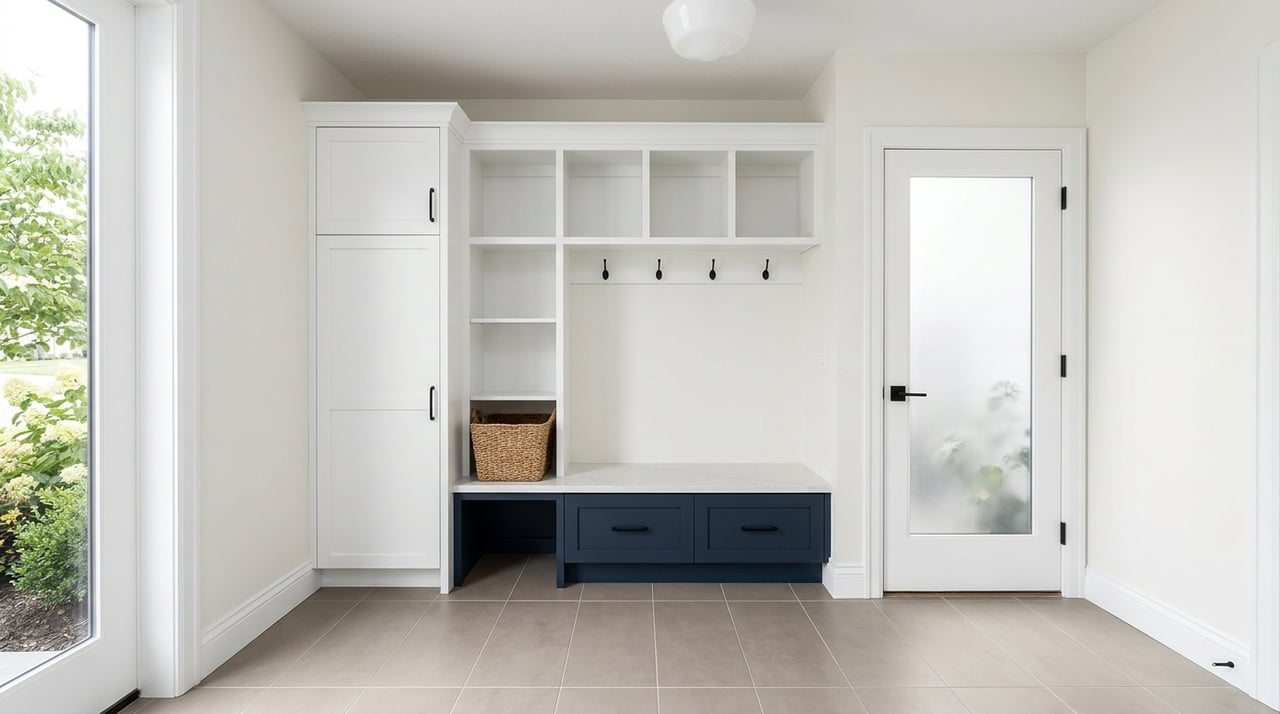
Across Lebanon-area communities, common features include open kitchens, great rooms, flex rooms, lofts, mudrooms, first-floor primary suites, 2-car garages, and optional extra bedrooms or baths. That gives you room to shape the home around how you actually live, but it also means you need to understand what is included in the base price and what costs extra.
The Pennsylvania Builders Association describes new homes in three broad categories:
- Custom homes are built to your specifications and usually offer the most flexibility.
- Semi-custom homes start with an existing plan and allow some changes before construction.
- Production homes use standard plans in builder-owned developments and usually move faster, though major structural changes may require re-engineering and new permits.
This matters because your experience will be different depending on the type of builder and community you choose. A production neighborhood may be simpler and faster, while a semi-custom or custom build may offer more freedom but involve more decisions and a longer timeline.
Pricing is more than the base number
The advertised starting price is only part of the story. When you compare new construction options around Lebanon, you will want to look at base price, included features, lot premiums, design selections, and available incentives.
For example, some floor plans already include features that many buyers want, such as quartz counters, 9-foot ceilings, open-concept living, or a first-floor owner’s suite. Other features may be optional upgrades that increase your final price.
Allowances and overages are especially important to understand. A builder may include a set dollar amount for things like flooring or cabinetry, and if your choices cost more than that allowance, the difference becomes an overage that you may owe later.
That is why it helps to ask for a clear breakdown of:
- Base price
- Included finishes and features
- Upgrade pricing
- Allowance amounts
- Lot premiums, if any
- Closing cost or design incentives
Incentives can shift the value equation too. Local builder pages currently advertise promotions such as credits toward design-gallery selections, closing costs, or flexible spend-your-way offers in some communities.
Timelines are usually longer than resale
If you are moving on a tight schedule, timeline should be one of your first questions. New construction usually takes longer than buying an existing home, and the process happens in phases.
According to the Pennsylvania Builders Association, the path often starts with research and contract review, then moves through permitting, foundation work, framing, rough-ins, interior and exterior finishes, and a final walkthrough. Weather, site conditions, builder workload, and municipal processes can all affect timing.
Nationally, new-home sales often average about eight months, and fully custom builds can take much longer. Local builders also note that the design and selection phase alone can take several weeks before construction even begins.
If you need a faster move, quick move-in homes can be a smart middle ground. Several local communities, including Iron Mill Townes, Briar Ridge, and Sweetbriar 55+ Living, currently show quick move-in opportunities, and some builders also offer move-in-ready or nearly completed homes from time to time.
Quick move-in vs build from scratch
For many buyers, this is the key decision. Do you want the speed of a nearly finished home, or the personalization that comes with starting earlier in the process?
Here is a simple comparison:
| Option | Best for | Main tradeoff |
|---|---|---|
| Quick move-in home | Buyers with a shorter timeline | Fewer customization choices |
| Production build from start | Buyers who want some selections | Longer wait |
| Semi-custom or custom build | Buyers who want more personalization | More decisions and a longer process |
There is no one right answer. It depends on how soon you need to move, how important design choices are to you, and how flexible your budget is.
Contracts deserve close attention
A new construction contract is not something to skim. It should clearly describe the home, the included features and finishes, what counts as an upgrade, and any additional costs.
The Pennsylvania Builders Association also recommends asking about deposit structure, milestone payments, expected move-in timing, who your main contact will be during construction, the change-order policy, and whether you will be allowed to visit during the build. Those details can make a big difference in how smooth the process feels.
Before you sign, make sure you understand:
- What is standard versus upgraded
- How design changes are handled
- When deposits become nonrefundable
- What happens if timing changes
- How final pricing is calculated
- What your walkthrough process will include
The more clearly these items are spelled out, the fewer surprises you are likely to face later.
New homes still need inspections
A lot of buyers assume a brand-new home does not need to be inspected. That is not the best approach.
In Pennsylvania, code officials perform required inspections during construction, including foundation, plumbing, mechanical, electrical, framing or masonry, wallboard, and final inspections under the Uniform Construction Code. Those inspections are important, but they are separate from a private inspection that you hire for your own peace of mind.
A private inspection is still worth considering for new construction. Buyers can often arrange an inspection between signing and closing, and an inspection contingency may be possible depending on the contract terms.
Warranties and radon questions matter
Most new homes come with a builder warranty, and that is another area to review carefully. Builder warranties usually cover permanent parts of the home, such as concrete, plumbing, and electrical systems, but coverage terms can vary.
It is also smart to ask practical local questions, especially in Pennsylvania. One example is radon. The Pennsylvania Department of Environmental Protection says installing a radon system during construction is easier and less expensive than retrofitting later, although radon-resistant new construction is not required statewide and local municipalities may adopt their own standards.
This does not mean every home will need the same solution, but it does mean the topic is worth bringing up early in the process. It is much easier to ask before the house is finished than after you move in.
Why buyer representation still helps
When you walk into a model home, it can feel like the process is already handled for you. But the builder’s sales team represents the builder’s interests, which is why your own representation still matters.
Buyer representation can help you compare communities, understand pricing structure, review contracts, stay on top of timelines, evaluate upgrade decisions, coordinate inspections, and prepare for walkthroughs and closing. Many new-home buyers still choose to work with an agent because they want guidance throughout the process.
This is especially helpful if you are relocating, balancing the sale of your current home, or trying to compare new construction with resale options in the same price range. Having someone in your corner can make the process feel more organized and less overwhelming.
A smart checklist for Lebanon buyers
If you are considering new construction around Lebanon, keep your decision-making simple and focused. Start with the basics, then go deeper as you narrow your options.
Use this checklist as you tour communities and review builder information:
- Compare the base price with what is actually included
- Ask which homes are quick move-in versus to-be-built
- Review allowances, possible overages, and upgrade costs
- Ask about builder incentives and how they apply
- Confirm the expected build timeline and key milestones
- Read the purchase agreement carefully before signing
- Consider a private inspection even on a new home
- Ask about warranty coverage and service procedures
- Bring up radon system options during construction
- Keep your buyer’s agent involved from the first visit through closing
The bottom line on new construction near Lebanon
New construction around Lebanon gives you real variety. You can find townhomes, larger single-family neighborhoods, age-restricted communities, and more customized building options depending on what matters most to you.
The main tradeoffs usually come down to price, timeline, and personalization. If you go in with clear expectations, ask the right questions, and get guidance early, you can make a much more confident decision.
If you are weighing new construction versus resale or want help comparing communities around Lebanon and Central PA, Jennifer Jablonski can help you sort through the options and navigate the process with clear, responsive guidance.
FAQs
What types of new construction homes are available around Lebanon, PA?
- Buyers can currently find a mix of townhomes, single-family communities, 55+ living options, and custom or semi-custom homes in Lebanon and nearby parts of Lebanon County.
How long does new construction take in the Lebanon, PA area?
- Timelines vary by builder, weather, permits, and site conditions, but new homes often take several months, and fully custom builds can take much longer than a typical resale purchase.
Should buyers get a private inspection on a new construction home in Pennsylvania?
- Yes. Municipal code inspections are required during construction, but they are separate from a private inspection that you may choose for your own review before closing.
What should buyers ask about new construction pricing in Lebanon, PA?
- Ask about the base price, included features, allowances, overages, upgrade costs, lot premiums, incentives, and how final pricing is calculated.
Can buyers customize new construction homes near Lebanon, PA?
- Often, yes. The level of customization depends on whether the builder offers production, semi-custom, or custom homes and on how far along the home is when you go under contract.
Are quick move-in homes available around Lebanon, PA?
- Yes. Some local communities currently offer quick move-in or nearly completed homes, which can be a good option if you need a shorter timeline.
Why should buyers use an agent for new construction around Lebanon, PA?
- A buyer’s agent can help you compare builders and communities, review contract terms, track timelines, coordinate inspections, and guide you from the first model-home visit through closing.